Imagine building a breathtaking, ultra-luxurious mansion with state-of-the-art interior design, only to place it on a weak, crumbling foundation. No matter how beautiful the house looks from the outside, it will eventually collapse. In the world of search engine optimization, your content and On-Page strategies are the interior design, while Technical SEO is the rock-solid foundation holding everything together.
Technical SEO refers to the process of optimizing your website's infrastructure so that search engine spiders can crawl, interpret, and index your pages without any friction. You could write the most revolutionary, high-quality 2,000-word article on the internet, but if Googlebot cannot access your page due to a technical error, your site will remain invisible to the world. A technically flawed website severely damages user experience, drives potential customers away, and suppresses your organic visibility.
This comprehensive, step-by-step guide is designed specifically for beginners who want to demystify the technical aspects of website optimization. By the end of this guide, you will know exactly how to run a basic technical audit and set your website up for sustainable ranking success.
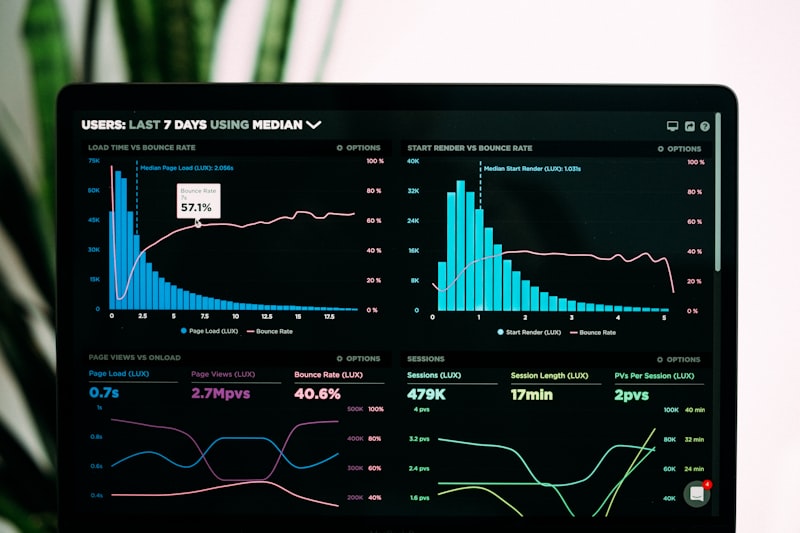
In the fast-paced modern digital landscape, patience is a rare commodity. Studies show that if a mobile website takes longer than three seconds to load, over half of the visitors will abandon the page entirely. Google recognizes this behavioral pattern, which is why page speed has been an official ranking factor for both desktop and mobile searches for years.
To quantify page performance, Google introduced the Core Web Vitals, a set of specific metrics that measure real-world user experience for loading performance, interactivity, and visual stability:
You can dramatically improve your website speed by implementing aggressive image compression, minifying bulky CSS, HTML, and JavaScript files, leveraging browser caching, and upgrading to a high-performance web hosting provider.
Before Google can rank your content, its automated bots must be able to discover and read it. This process relies on two fundamental concepts: Crawlability (the bot's ability to navigate your site) and Indexation (the bot's ability to save your pages in its massive database).
To master this pillar of Technical SEO, you must manage two critical files:
The days of designing websites exclusively for desktop screens are long gone. Globally, mobile devices generate more than half of all internet traffic. In response to this massive shift, Google operates under **Mobile-First Indexing**. This means Google predominantly uses the mobile version of a website's content for indexing and ranking purposes.
A mobile-friendly website must utilize a responsive web design that automatically adjusts layouts, text sizes, and navigation menus to perfectly fit any screen size, from smartphones to large tablets. Avoid using annoying pop-ups that block the entire viewport on mobile devices, and ensure that clickable elements (buttons and links) are spaced far enough apart so users do not accidentally tap the wrong item.
As websites grow, evolve, and undergo structural modifications, pages occasionally get deleted or moved to new URLs. When a visitor or a search engine bot clicks on a link that points to a non-existent page, they are met with a frustrating **404 Not Found** error screen.
While a few isolated 404 errors will not ruin your entire website, an excessive accumulation of broken links signals to search engines that your site is poorly maintained and neglected. This disrupts the flow of link equity (ranking power) across your domain. To maintain optimal site health, perform monthly link audits. When you permanently delete or move a high-traffic page, always implement a 301 Redirect to seamlessly automatically forward users and search bots to the newest, most relevant URL.
User security is paramount to modern search networks. In 2014, Google announced that secure website encryption via **HTTPS** (Hypertext Transfer Protocol Secure) would serve as a lightweight ranking signal. Today, it is an absolute necessity. Major web browsers like Google Chrome openly display a warning flag reading "Not Secure" next to the URL bar of any site running on traditional HTTP.
An unsecured site instantly destroys user trust, leading to massive bounce rates. Securing your domain requires installing an SSL Certificate (Secure Sockets Layer) on your hosting server. An SSL certificate encrypts the data passing between your visitor's browser and your server, ensuring sensitive data like login credentials, personal info, or financial transactions remain fully protected from malicious interception.
Duplicate content refers to substantial blocks of identical or near-identical text appearing on multiple pages across your website, or across different domains entirely. This frequently occurs on e-commerce sites or platforms that generate multiple variations of the same page for filtering, sorting, or printing parameters.
Duplicate content confuses search engines, as they struggle to determine which version of the page is the authoritative copy that deserves to rank. You can easily solve this dilemma using the rel="canonical" tag. By placing a canonical tag in the HTML header of your duplicate pages, you explicitly tell Google: "Hey, this page is just a variation. Please ignore it and pass all ranking credit to the original master URL instead."
Search engines are incredibly smart, but they still appreciate a helping hand to truly comprehend the exact context of your content. **Schema Markup** (Structured Data) is a standardized vocabulary of microdata added to your HTML code that provides search engine crawlers with clear, structured context about the purpose of a page.
When you implement schema markup correctly, you enable your pages to qualify for **Rich Snippets** in Google's search results. Rich snippets are visually enhanced search results that display eye-catching extra information, such as star ratings for reviews, cooking times for recipes, event dates, or frequently asked questions (FAQs). Rich snippets instantly make your listing stand out in a crowded SERP, drastically improving your organic click-through rates.
Site architecture is how your pages are structured and linked together. A clean, logical structure helps both visitors and search engines find everything without friction. A good rule of thumb is the three-click rule: no important page on your site should be more than three clicks away from the homepage.
To help crawlers further, maintain an up-to-date XML sitemap — essentially a roadmap listing all your important pages. Generate one free with Seovaro's XML sitemap generator and submit it in Google Search Console to speed up crawling and indexing of new content.
Search engines only spend a limited amount of time crawling your site — your crawl budget. Don't let bots waste it on dead ends. Fix 404 errors with 301 redirects pointing to the closest relevant live page, and run Seovaro's broken link finder regularly to catch new ones.
Then use robots.txt to tell crawlers where not to go — admin login pages, internal search results, and other private areas should stay out of the index. A clean robots.txt (generate one with Seovaro's robots.txt generator) keeps your crawl budget focused on the pages that actually deserve to rank.
Technical SEO may seem intimidating at first glance, but it is ultimately about building a clean, lightning-fast, secure, and easily navigable environment for both humans and search engine crawlers. By systemically tackling these core technical elements—optimizing page loading speeds, maintaining clean XML sitemaps, fixing broken links, and ensuring robust mobile responsiveness—you ensure that your website's brilliant content gets the visibility and high search rankings it truly deserves. Dedicate time to a regular technical checkup, and watch your search engine performance soar!