Technical SEO Guide for Beginners: Optimize Your Site's Foundation
You have written high-quality content (On-Page SEO) and started building strong authority backlinks (Off-Page SEO). However, there is a third, equally critical pillar that dictates whether your website will succeed in search engine result pages (SERPs): Technical SEO.
Technical SEO refers to optimizing your website's infrastructure so that search engine spiders can crawl, index, and render your pages without any friction. No matter how incredible your content is, if your site has technical flaws that prevent Google from reading it, you will never rank on the first page.
This beginner-friendly guide will break down the absolute essentials of Technical SEO and show you how to optimize your site's foundation for maximum organic visibility.

1. Ensuring Website Speed and Performance
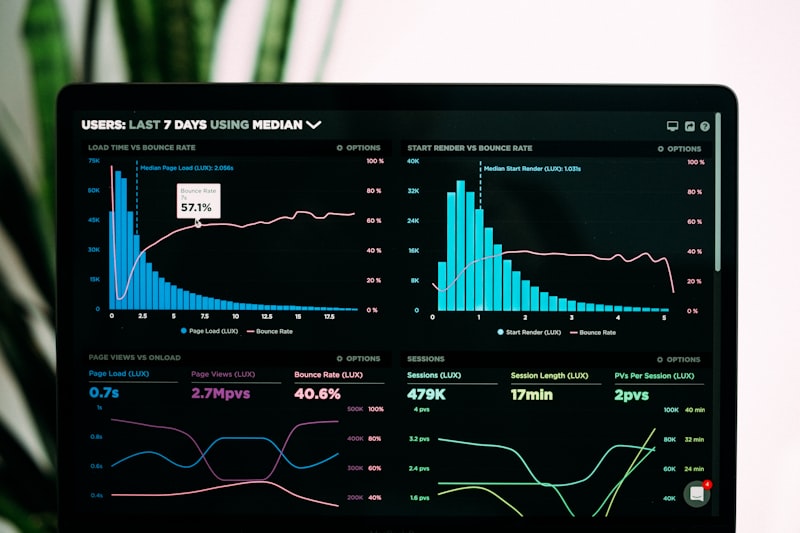
Search engines want to provide the best possible user experience, and users hate slow websites. In fact, page speed has been an official Google ranking factor for years. A slow-loading site leads to high bounce rates, which signals to Google that your site is not user-friendly.
To improve your website speed, focus on these actionable optimization techniques:
- Leverage Browser Caching: Allow returning visitors' browsers to store parts of your site locally so it loads faster on subsequent visits.
- Minify Code: Clean up your HTML, CSS, and JavaScript files by removing unnecessary characters, spaces, and comments.
- Optimize Images: As mentioned in image SEO, always compress image file sizes before uploading them to keep your pages lightweight.
2. Embracing Mobile-First Indexing
Today, more than half of all global web traffic comes from mobile devices. Because of this shift, Google now operates on a Mobile-First Indexing system. This means Google predominantly uses the mobile version of your content for indexing and ranking.
Your website must feature a responsive web design that automatically adapts to any screen size. Test your pages regularly to ensure text is readable without zooming, buttons are easy to tap, and no content is cut off on mobile devices.
3. Site Architecture and XML Sitemaps
Site architecture is how the pages on your website are structured and linked together. A clean, logical structure helps users and search engines navigate your site effortlessly. A good rule of thumb is the Three-Click Rule: no page on your site should be more than three clicks away from the homepage.
To assist search engine crawlers further, you must maintain an updated XML Sitemap. Think of an XML sitemap as a roadmap of your website that lists all your important pages. Once generated, submit your sitemap directly to Google Search Console to speed up the crawling and indexing process.
4. Securing Your Site with HTTPS
Website security is a non-negotiable ranking signal. Google prioritizes secure websites to protect user data. You must ensure your site uses HTTPS encryption rather than the outdated HTTP protocol.
Running a site on HTTPS requires installing an SSL certificate. Websites without an SSL certificate display a "Not Secure" warning in modern web browsers, which instantly destroys user trust and negatively affects your rankings.
5. Fixing Crawl Errors and Managing Robots.txt
Search engine crawlers have a limited amount of time to spend on your website, a concept known as a Crawl Budget. You do not want bots wasting time on broken pages or crawling sections of your site that do not need to be indexed.
- Fix 404 Errors: Broken links that lead to a "404 Not Found" page waste crawl budget and disrupt the user journey. Set up 301 redirects to point broken URLs to relevant, active pages. You can use a broken links finder to quickly identify these issues.
- Optimize Robots.txt: Use your robots.txt file to give instructions to search engine bots. You can use it to block crawlers from indexing private pages, like your admin login dashboard or internal search result pages.
6. Implementing Structured Data (Schema Markup)
Structured data, also known as Schema Markup, is a code you add to your website to help search engines understand your content more deeply. When Google understands your data, it can reward your website with Rich Snippets in the search results. Generating this code is simple when using a dedicated schema markup generator.
Rich snippets include eye-catching elements like review stars, recipe cooking times, FAQ drop-downs, or product prices directly in the SERPs. These visuals dramatically increase your Click-Through Rate (CTR) even if you aren't in the absolute #1 spot.
Conclusion
Technical SEO acts as the backbone of your entire digital marketing strategy. You can write the most brilliant articles and acquire top-tier backlinks, but if your site is slow, unsecure, or riddled with crawl errors, your organic growth will remain stagnant. By optimizing your site speed, ensuring mobile responsiveness, fixing broken paths, and clarifying your code structure, you pave a smooth, open highway for search engine bots to rank your website right where it belongs: at the very top.


